What Is Osteopathy?
If you’ve ever wondered what an osteopath does, you’re not alone. Osteopathy is often compared to physiotherapy or chiropractic care, and while there may be some similarities, assessing and treating the body as a whole is an important part of the osteopathic approach.
What Makes Osteopathy Different?
Rather than looking only at the area causing pain or discomfort, osteopaths consider how different areas of the body may be working together and influencing one another.
This means considering your movement, lifestyle, daily activities and overall function alongside the area causing concern. Sometimes the area where you feel pain isn’t the only area contributing to the problem, which is why taking the time to understand the bigger picture can be an important part of your assessment and treatment.
What Is Osteopathy?
Osteopaths complete extensive university training in areas such as anatomy, physiology, pathology, clinical assessment and hands-on treatment.
As part of this training, osteopaths learn to look beyond the immediate area of concern and consider other factors that may be contributing to a person’s symptoms.
If you’re experiencing concerns in multiple areas: for example, your hip, ankle and neck, your osteopath will take the time to assess each area, consider whether they may be related, and work with you to develop an individual treatment and management plan based on your needs and goals.
What Can Osteopaths Help With?
Osteopaths can assess, treat and help manage a range of musculoskeletal concerns, including:
- Acute injuries, such as ankle sprains and rotator cuff injuries
- Chronic pain and stiffness
- Muscle and joint pain
- Postural and movement-related concerns
- Persistent or recurring musculoskeletal concerns
Treatment is tailored to the individual, taking into account your symptoms, health history, lifestyle and personal goals.
What Can I Expect When Seeing an Osteopath?
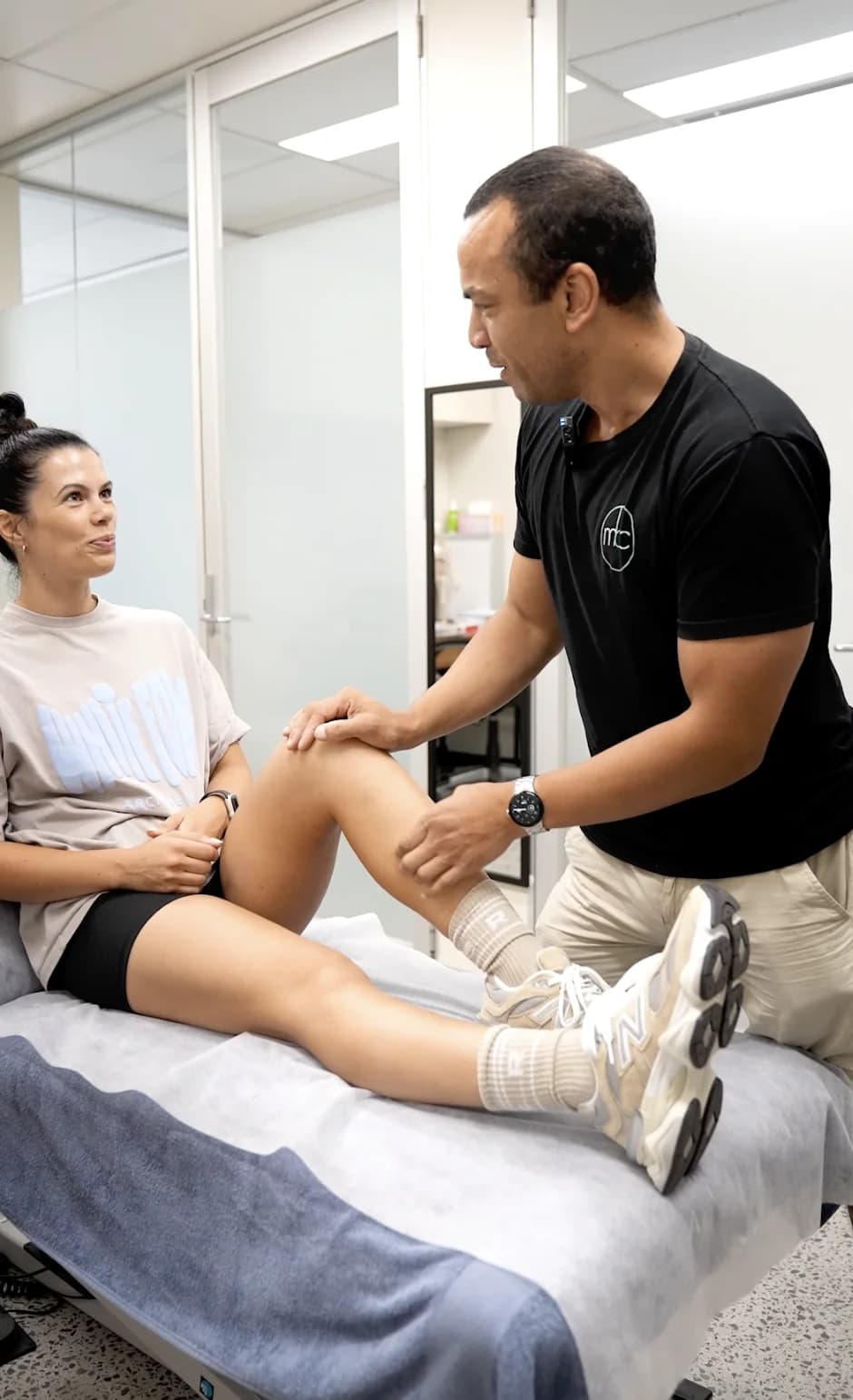
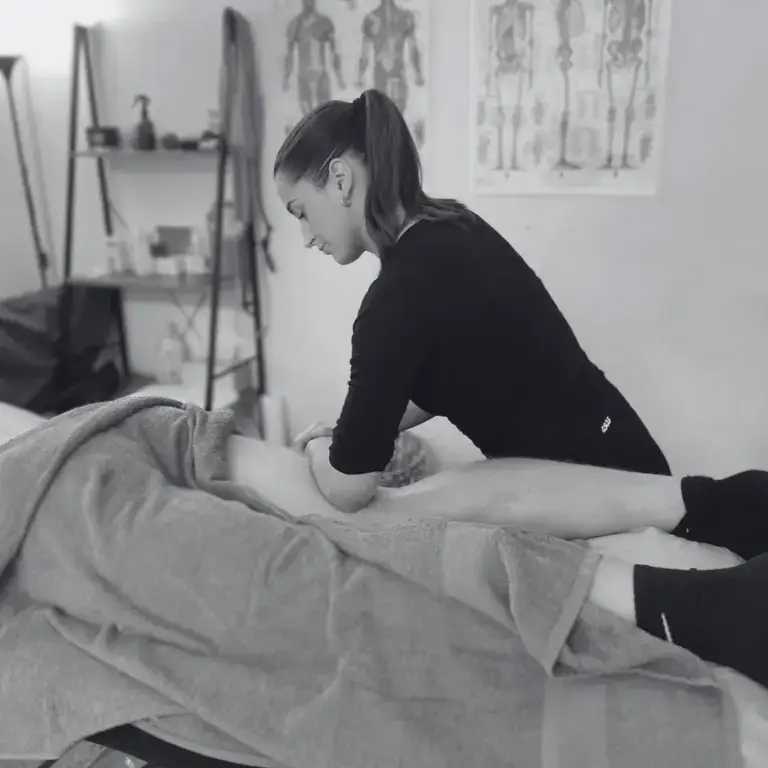
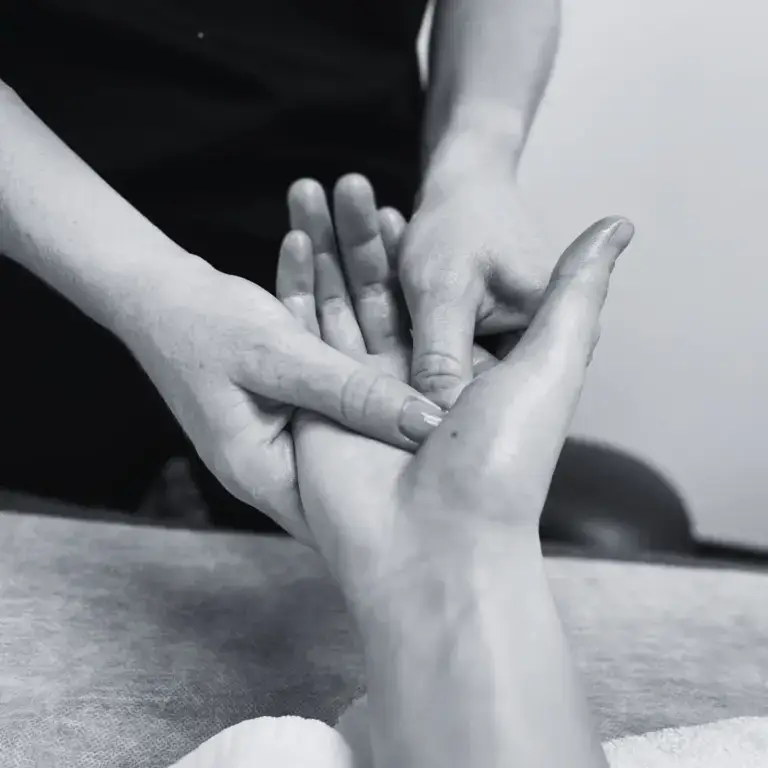
Hands-on treatment, such as working with joints, muscles and other soft tissues, is often what people associate with osteopathy, but it’s only one part of the overall approach.
Our goal is to help you better understand what may be contributing to your symptoms and provide practical strategies to support your movement, function and overall management.
Depending on your individual needs, your treatment plan may include hands-on techniques, tailored exercises, movement advice and practical strategies that can be incorporated into your everyday life.
Final Thoughts
Whether your concern is new or something you’ve been managing for years, seeking appropriate assessment and support can be a positive step towards better understanding and managing your body.